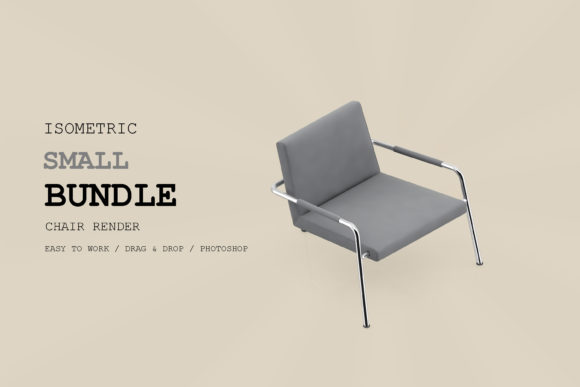
Isometric Chair 3D Render Pack 286: A Comprehensive Evaluation for Designers
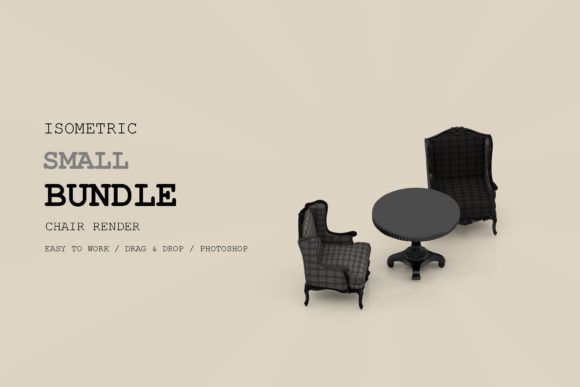
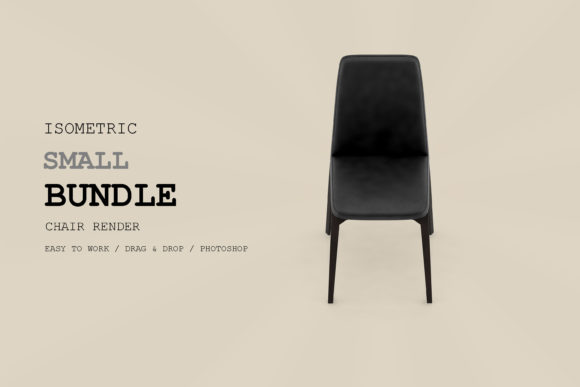
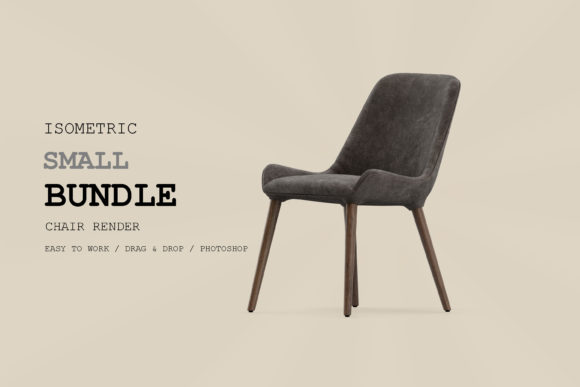
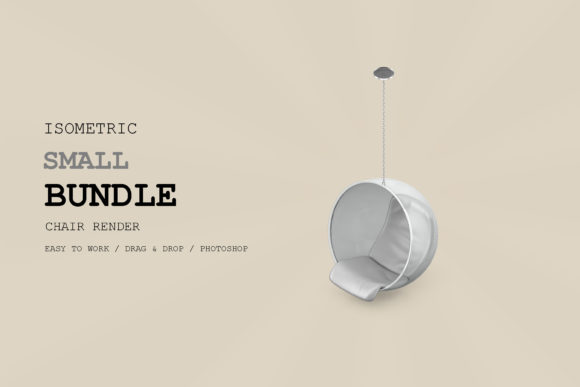
In the rapidly evolving landscape of digital design, the demand for high-quality, versatile visual assets has never been higher. Designers, architects, and marketers are constantly seeking resources that can streamline their workflow while maintaining a professional aesthetic. Among these resources, specialized 3D render packs have emerged as essential tools for creating consistent and polished visuals. One such resource is the Isometric Chair 3D Render Pack 286. This collection offers a specific set of isometric chair models designed to meet the needs of various creative projects.
Evaluating whether this particular pack aligns with your project requirements involves looking beyond the visual appeal. It requires an understanding of the technical specifications, organizational structure, and practical applications of the assets provided. By examining features such as resolution, layer organization, and background separation, potential users can make informed decisions about integrating these assets into their design pipeline.
Understanding the Technical Specifications
The foundation of any useful 3D asset lies in its technical quality. The Isometric Chair 3D Render Pack 286 is marketed with several key technical attributes that cater to both print and digital media. Understanding these specifications is crucial for determining compatibility with existing software and output requirements.
High Resolution and DPI
One of the standout features mentioned in the product description is the high resolution, specifically noted as having a DPI (Dots Per Inch) of 300. In the context of graphic design, 300 DPI is the industry standard for high-quality print materials. This specification ensures that when images from the pack are used in brochures, posters, or physical advertisements, they remain crisp and free from pixelation. For digital-only projects, where screen resolution typically operates at 72 or 96 DPI, these high-resolution files offer significant flexibility. Designers can scale the chairs down without losing detail, providing greater control over composition.
Organized Layers and Separated Backgrounds
Efficiency in post-production is often determined by how well an asset is organized. The pack includes separated backgrounds, which means each chair model is presented on a transparent or isolated backdrop. This feature eliminates the need for tedious manual masking in software like Adobe Photoshop, saving valuable time during the editing process. Furthermore, the mention of "organized layers" suggests that the source files (likely PSD or similar formats) are structured logically. This allows designers to adjust individual components of the chair, change colors, or modify lighting effects independently. Such granularity is essential for customizing assets to fit a specific brand identity or color palette.
Separated Shadows
Realism in isometric illustrations often hinges on the interaction between objects and their environment. The inclusion of separated shadows is a significant benefit. Instead of being baked into the image, shadows are provided as distinct elements. This gives designers the ability to reposition shadows, adjust their opacity, or alter their direction to match the lighting conditions of a larger scene. This level of control enhances the overall coherence of a design, ensuring that the chair looks like it naturally belongs in the depicted space rather than floating unnaturally.
Practical Applications and Use Cases
Knowing what an asset is technically capable of is only half the equation; understanding where it fits in real-world scenarios is equally important. The versatility of the Isometric Chair 3D Render Pack 286 makes it suitable for a wide array of industries and project types.
Architecture and Interior Design
For architects and interior designers, visualization is key. Isometric views provide a clear, unobstructed perspective of spatial relationships. These renders can be integrated into floor plans, mood boards, or client presentations to showcase furniture arrangements. The high resolution ensures that details are visible even when printed on large-format boards, while the separated layers allow for easy integration into CAD drawings or composite images.
E-commerce and Advertisement
In the realm of online retail and advertising, visual consistency drives conversion. Furniture brands and home decor stores often require multiple angles or styles of chairs for their catalogs. Using a standardized pack like #286 ensures that all products share a similar artistic style, creating a cohesive shopping experience. The separated background feature is particularly advantageous for e-commerce platforms that require white-background product shots or lifestyle composites.
Digital Content and Social Media
Blogs, social media campaigns, and website headers frequently utilize isometric graphics to break up text and engage readers. The modern, clean aesthetic of isometric designs fits well with contemporary web trends. Because the pack is optimized for high DPI, it performs well on retina displays and high-DPI screens, ensuring that the content looks sharp on mobile devices and tablets. Additionally, the ease of customization allows social media managers to quickly adapt the visuals for different campaigns or seasonal promotions.
Educational Projects
Students in graphic design, architecture, or marketing courses often need access to professional-grade assets to complete assignments. The Isometric Chair 3D Render Pack 286 serves as an excellent resource for school projects. The organized layers provide an educational opportunity for students to study how complex 3D scenes are constructed and layered. It allows them to experiment with composition and lighting without needing advanced 3D modeling skills themselves.
Weighing Benefits Against Considerations
While the Isometric Chair 3D Render Pack 286 offers numerous advantages, it is important to approach its selection with a balanced perspective. No single asset pack is a universal solution for every design challenge.
Style Consistency vs. Variety
The primary benefit of using a pre-made pack is style consistency. However, this can also be a limitation if a project requires a highly unique or bespoke look. If a designer’s brand voice relies on hand-drawn sketches or photorealistic photography, these vector-based or stylized 3D renders may not align with the desired aesthetic. Users should evaluate whether the artistic style of the chairs in Pack 286 complements their existing visual language.
Customization Requirements
Although the pack boasts organized layers, the extent of customization depends on the file format and the designer’s proficiency with design software. Users who are less experienced with layer management might find the separated elements challenging to manipulate effectively. It is advisable to review sample files or documentation to ensure the complexity level matches the user’s skill set.
Cost-Benefit Analysis
For freelance designers or small agencies, purchasing individual asset packs can add up. Evaluators should consider the frequency of use. If the pack will be utilized across multiple clients or long-term projects, the investment is likely justified. Conversely, for one-off projects, users might explore free alternatives or subscription-based libraries that offer broader variety.
Conclusion: Determining the Right Fit
The decision to incorporate the Isometric Chair 3D Render Pack 286 into a workflow should be guided by specific project needs and technical requirements. Its high-resolution output, separated layers, and realistic shadow handling make it a strong candidate for professionals in architecture, advertising, and digital media who value efficiency and polish.
For those seeking to enhance their visual storytelling with clean, isometric furniture elements, this pack provides a robust foundation. It reduces the friction associated with sourcing and editing individual 3D models, allowing designers to focus more on composition and narrative. However, success ultimately depends on aligning the pack’s stylistic traits with the broader goals of the project. By carefully assessing factors such as intended medium, customization needs, and budget, designers can determine whether this resource is the right tool for their next creative endeavor.