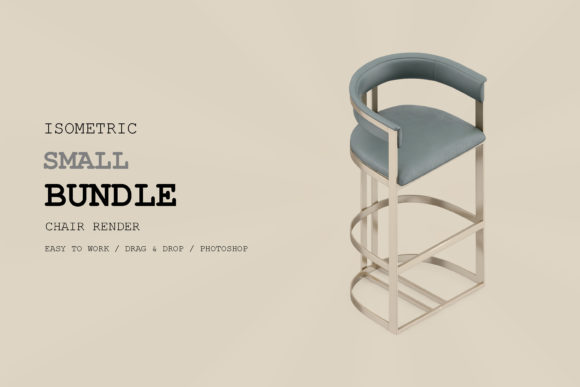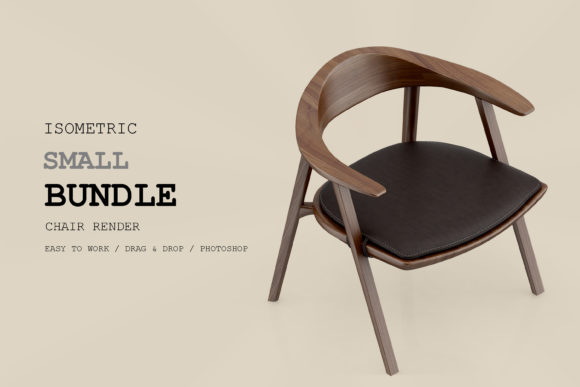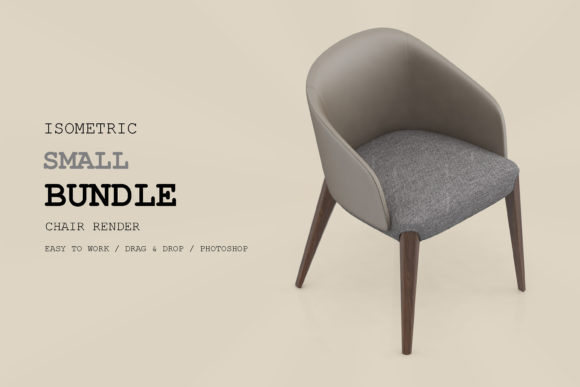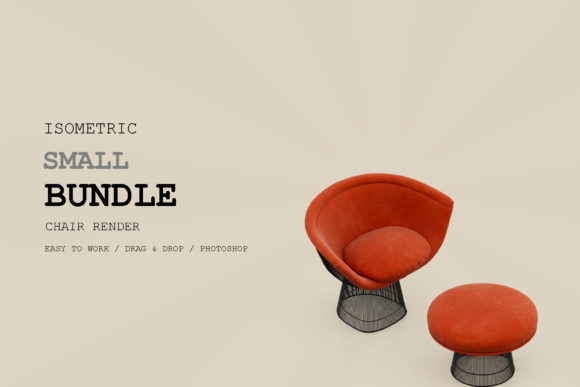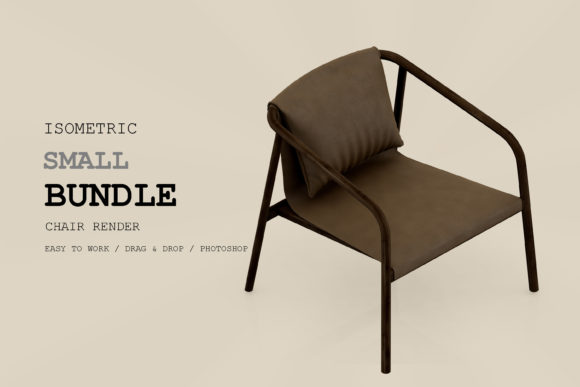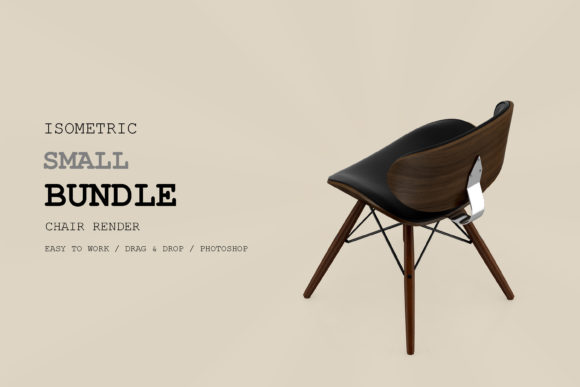
Evaluating Isometric Chair 3D Render Pack 268 for Professional Design Workflows
In the modern digital landscape, visual communication is paramount. Whether you are an architect presenting a concept to a client, a marketer designing a social media campaign, or a student working on a capstone project, the quality and versatility of your visual assets can significantly impact the outcome of your work. Among the various resources available to designers, Isometric Chair 3D Render Pack 268 has emerged as a notable option for those seeking high-quality, pre-rendered isometric imagery. This article provides a detailed evaluation of this asset pack, examining its technical specifications, potential use cases, and how it compares to other methods of acquiring isometric visuals.
Understanding the Technical Specifications
To determine if a digital asset fits into your workflow, one must first look under the hood. Isometric Chair 3D Render Pack 268 is not merely a collection of images; it is a structured set of files designed for ease of integration into various design software environments. The pack distinguishes itself through several key technical features that cater to professional standards.
- High Resolution and DPI: The renders are provided at high resolution with a DPI (dots per inch) setting of 300. This specification is critical because it ensures that the images remain crisp and clear when printed at larger sizes. For projects involving physical brochures, posters, or architectural models, low-resolution assets often result in pixelation, which undermines the perceived professionalism of the final output. A 300 DPI standard means these assets are print-ready without requiring extensive upscaling, which can introduce artifacts.
- Organized Layers: One of the most significant advantages of this pack is the inclusion of organized layers. In raster graphics editing software like Adobe Photoshop, having separated elements allows for greater flexibility. You can adjust lighting, change background colors, modify shadows, or isolate specific parts of the chair without needing to re-render the entire 3D model from scratch. This saves time and allows for customization that generic stock photos cannot offer.
- Separated Shadow: The inclusion of a separated shadow layer is a subtle but powerful feature. It allows designers to control the grounding of the object within their composition. By separating the shadow, you can adjust its opacity, blur, and position to match the lighting conditions of your specific scene. This creates a more realistic integration of the chair into any environment, avoiding the "floating" effect that often plagues poorly integrated stock images.
- Separated Background: Similarly, the background is provided separately. This gives you the freedom to place the chair on any backdrop—be it a clean white void for e-commerce, a textured surface for editorial design, or a complex interior scene for architectural visualization.
- Help File: The inclusion of a help file indicates a level of user support and organization. This resource typically guides users on how to open the files, understand the layer structure, and apply best practices for editing. For less experienced designers, this reduces the learning curve and ensures the asset is used to its full potential.
Comparing Asset Packs to Custom 3D Modeling
When evaluating Isometric Chair 3D Render Pack 268, it is helpful to compare it against the alternative of creating custom 3D models from scratch. While building a model in software like Blender, Maya, or SketchUp offers ultimate control, it requires significant time, specialized skills, and hardware resources.
The primary tradeoff here is speed versus customization. If you need five different views of a specific chair model for a website launch next week, purchasing a render pack is vastly more efficient than modeling, texturing, lighting, and rendering the asset yourself. However, if you need a chair with a very specific fabric texture, leg material, or unique design modification that does not exist in the pack, custom modeling becomes necessary. The render pack serves as a robust starting point or a complete solution for standard furniture items, whereas custom modeling is reserved for bespoke requirements.
Exploring Use Cases Across Industries
The versatility of Isometric Chair 3D Render Pack 268 makes it suitable for a wide array of applications. Its structured format allows it to be adapted to different mediums seamlessly.
Architecture and Interior Design
Architects often use isometric views to communicate spatial relationships clearly to clients who may not be familiar with technical blueprints. The high resolution and separated layers allow architects to composite the chair into virtual walkthroughs or floor plan illustrations. The ability to adjust the shadow and background means the chair can be placed accurately within a rendered room, maintaining consistent lighting and perspective. This is particularly useful for preliminary design presentations where photorealism is desired but full-scale modeling is too time-consuming.
Digital Marketing and Social Media
In the realm of social media, visual appeal drives engagement. Platforms like Instagram and Pinterest favor clean, high-contrast imagery. The separated background feature allows marketers to quickly place the chair on branded backgrounds or lifestyle scenes. The high DPI ensures that the image looks sharp even when viewed on high-density mobile screens. Furthermore, the organized layers enable A/B testing by allowing quick variations in color or context without needing new photoshoots.
Educational and School Projects
For students in graphic design, architecture, or marketing courses, Isometric Chair 3D Render Pack 268 offers a practical way to demonstrate professional techniques. The presence of a help file and organized layers provides an educational opportunity to learn about layer management, non-destructive editing, and proper file preparation for print and web. It allows students to focus on composition and layout rather than struggling with the complexities of 3D rendering engines.
Print and Editorial Design
Magazines, catalogs, and advertisements require vector-like clarity in their raster images. The 300 DPI specification of this pack meets industry standards for offset and digital printing. Editors can crop, resize, and manipulate the chair without worrying about quality loss. The separated shadow is particularly valuable in print layouts, allowing the designer to ensure the chair interacts naturally with the page layout and other graphical elements.
Decision Factors: When to Choose This Pack
Selecting the right asset depends on your specific constraints and goals. Here are some scenarios where Isometric Chair 3D Render Pack 268 is likely the right choice:
- Time Sensitivity: If you have a tight deadline and do not have the time to model or source multiple options, this pack provides immediate access to high-quality assets.
- Budget Constraints: Hiring a 3D artist for custom renders can be expensive. Purchasing a single pack is often a cost-effective alternative for standard furniture needs.
- Consistency Requirements: If you need multiple chairs or views that share the same style and lighting, a pre-rendered pack ensures visual consistency across a project.
- Technical Proficiency: If you are comfortable with 2D editing software but lack advanced 3D modeling skills, this pack bridges the gap by providing 3D-quality assets that are easy to edit in 2D.
Conversely, you might consider alternative options if:
- You need a highly unique or proprietary furniture design that is not represented in the pack.
- Your project requires interactive 3D models (e.g., for a web-based configurator), as this pack appears to provide static rendered images rather than 3D files (.obj, .fbx).
- You require real-time rendering capabilities for virtual reality or augmented reality experiences.
Best Practices for Utilizing the Assets
To get the most out of Isometric Chair 3D Render Pack 268, consider the following tips:
Maintain Layer Integrity: Always save your work in a format that preserves layers, such as PSD or TIFF. Avoid flattening the image early in the process, as this will negate the benefits of the separated shadow and background.
Match Lighting Contexts: Even with a separated shadow, ensure that the ambient lighting of your composition matches the lighting direction implied in the original render. This creates a cohesive and believable image.
Optimize for Web: While the source files are high-resolution, remember to export optimized versions for web use. Converting to JPEG or PNG with appropriate compression will improve load times for websites and blogs without sacrificing visible quality.
Conclusion
Isometric Chair 3D Render Pack 268 represents a thoughtful blend of quality, usability, and flexibility. Its high-resolution output, organized layer structure, and separated elements make it a valuable tool for professionals and students alike. By understanding its strengths and limitations, you can determine whether it fits into your current workflow. Whether you are enhancing a blog post, preparing a client presentation, or completing a school project, this pack offers a reliable foundation for creating polished, professional visuals. As with any digital asset, the key to success lies in how well you integrate it into your broader design strategy.