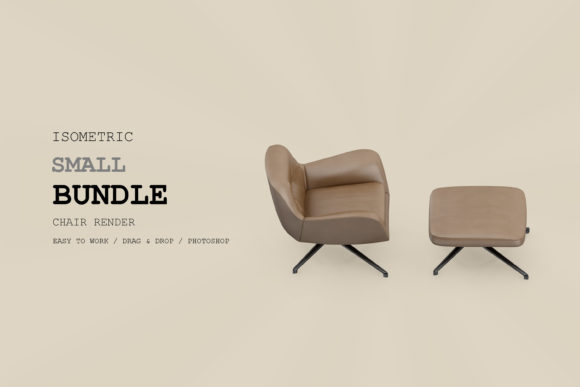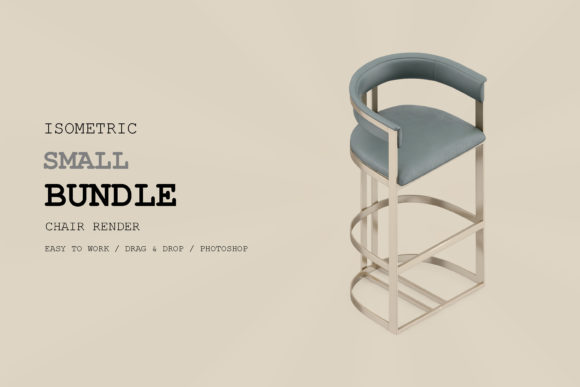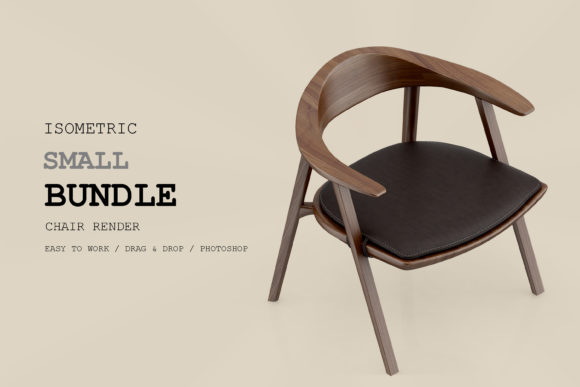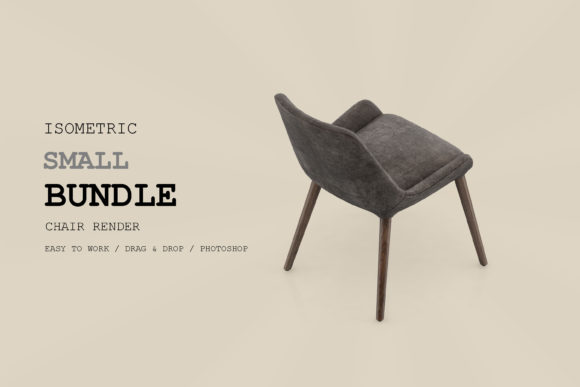
Isometric Arm Chair 3D Isolated Render for Creative Projects
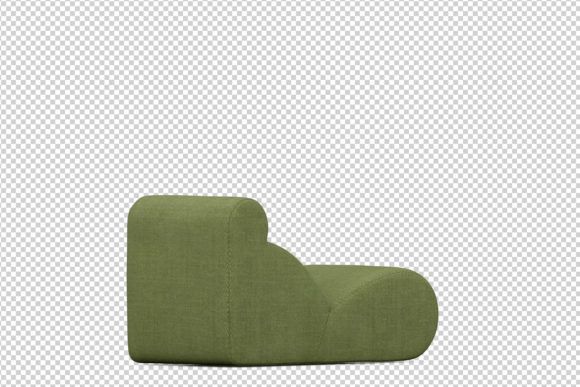
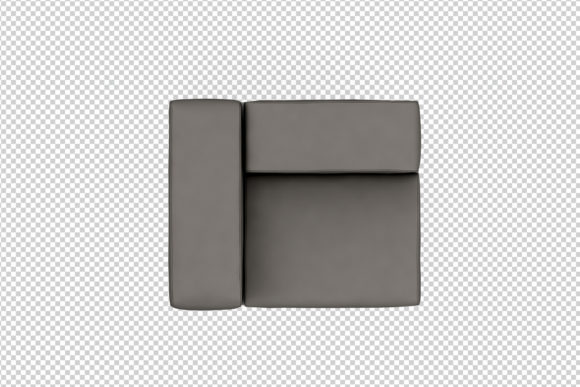
In the fast-paced world of graphic design, having access to high-quality visual assets is more important than ever. An isometric arm chair 3D isolated render stands out as a powerful tool for designers aiming to create clean, modern, and visually compelling layouts. With features like separated background, high resolution (300 DPI), organized layers, and an included help file, this type of asset not only enhances your workflow but also ensures flexibility across various platforms and mediums.
What Makes It Unique?
The term "isometric" refers to a style of 3D rendering that uses parallel projection to display objects in three dimensions without distortion. This makes it ideal for technical illustrations, infographics, and product showcases. When you choose an isometric arm chair 3D isolated render, you’re getting a design element that’s both realistic and stylized—perfect for maintaining a professional look while staying within the bounds of flat or semi-illustrated aesthetics.
High-resolution output at 300 DPI ensures crisp detail whether displayed on screen or printed in physical form. The separated shadow adds depth and realism without requiring extra work from the designer, while the organized layers allow for easy customization. These elements together contribute to a seamless integration into complex compositions.
Practical Uses Across Industries
This type of render isn’t just limited to one niche; its versatility makes it suitable for a wide range of applications:
- School projects: Ideal for student presentations, posters, or design assignments where clarity and professionalism are key.
- Social media graphics: Use the chair as part of lifestyle scenes or promotional visuals to convey comfort and sophistication.
- Print projects: Whether it's brochures, flyers, or magazine layouts, the render maintains quality when printed at scale.
- Architecture design: Incorporate the chair into interior space mockups for clients or planning purposes.
- Blogs and websites: Elevate blog headers, landing pages, or website banners with engaging 3D visuals.
- Advertising campaigns: Highlight furniture products or services with a polished and scalable image.
- Merchandise and packaging: Add a touch of modernity to branded items or product boxes with subtle yet impactful visuals.
Design Workflow Enhancements
One of the most significant benefits of using an isometric 3D render is how it streamlines your design process. Because these assets come with organized layers and separated shadows, they can be adapted quickly to suit different themes and color palettes. This level of control is especially useful when aligning visuals with brand identity guidelines or adjusting them for dark mode compatibility in digital interfaces.
Moreover, the inclusion of a help file provides guidance on how best to use the asset, making it accessible even to beginners. For professionals, this means less time spent troubleshooting and more time refining the creative vision.
How to Integrate Into Visual Communication
When incorporating an isometric arm chair 3D isolated render into your project, consider the following tips:
- Maintain consistency: Ensure the render matches the overall visual tone of your project, especially if you're working with a specific design system.
- Balance visual hierarchy: Place the chair in a way that supports the main message rather than overpowering it. Use size, contrast, and spacing effectively.
- Optimize for scalability: Since the render is high-resolution, test it at different sizes to confirm it remains sharp and legible.
- Pair with complementary typography: Choose fonts that enhance the chair’s aesthetic—modern sans serifs often work well with isometric styles.
- Use in motion: If applicable, animate the chair subtly to guide user attention in web or app design.
These considerations help ensure the render doesn’t just look good, but also functions well within your design ecosystem.
Choosing the Right Asset
Selecting the right 3D render starts with understanding your project needs. Look for assets that offer flexibility in terms of color variations, lighting effects, and format options (like PSD or AI). A well-structured layer setup allows for quick modifications, which is crucial in fast-moving design environments such as UI/UX or digital marketing.
Also, consider how the render will perform in both digital and print contexts. High-resolution files are essential for print, but they should still load efficiently in online content. Finding the right balance ensures your final output meets both aesthetic and technical standards.
Ultimately, an isometric arm chair 3D isolated render is more than just a decorative element—it’s a strategic choice that supports clarity, engagement, and visual storytelling. By thoughtfully integrating such assets into your creative toolkit, you elevate your designs beyond the ordinary, delivering a more immersive and professional experience to your audience.